25 Aug 2026
Examining Pit Stop Data Trends and Their Connection to Formula One Wager Adjustments in European Circuits
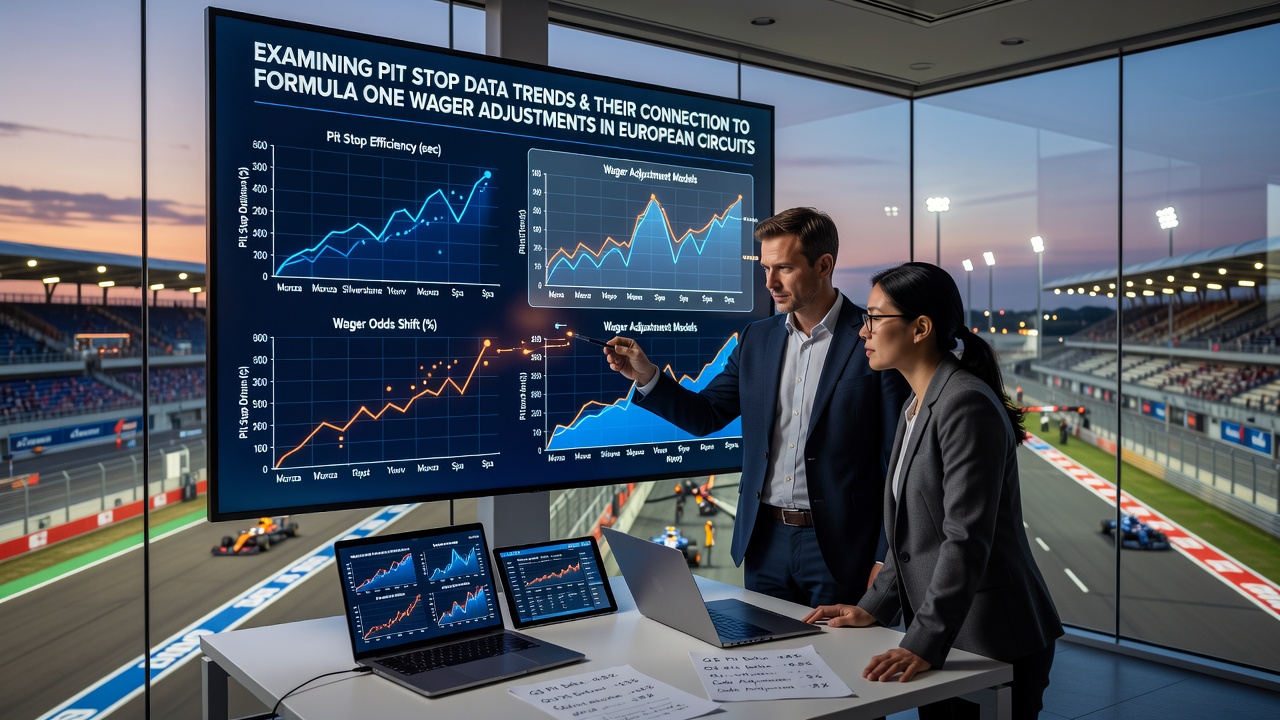
Formula One teams have refined pit stop procedures over multiple seasons with average durations dropping from over three seconds in earlier decades to sub-two-second marks in recent campaigns, and observers note how these shifts feed directly into betting market recalibrations across European venues. Data collected from timing systems at circuits such as Monza, Silverstone, and the Hungaroring reveal consistent patterns where faster stops correlate with improved finishing positions, prompting oddsmakers to revise probabilities for race winners, podium finishes, and over-under finishers.
Tracking Historical Pit Stop Metrics Across European Tracks
Researchers at motorsport analytics firms have compiled stop-time databases spanning the past fifteen years, and those records show European circuits often produce quicker average stops than street circuits elsewhere because of longer pit lanes and fewer elevation changes. In 2024, for instance, teams recorded median stop times of 1.92 seconds at Silverstone compared with 2.15 seconds at the same venue a decade earlier, while Monza posted even lower figures during its high-speed layout events. These measurements come from official FIA timing feeds that capture the moment wheels stop rotating until they resume full speed, allowing statisticians to isolate crew performance from driver approach variables.
Weather conditions introduce further variation, with cooler August temperatures in northern Europe often reducing tire degradation and enabling teams to attempt shorter stop windows. August 2026 schedules include the Belgian Grand Prix at Spa-Francorchamps where historical data indicates stop times can fluctuate by as much as 0.3 seconds depending on ambient conditions, and betting platforms incorporate such meteorological forecasts into pre-race odds models.
Statistical Links Between Stop Efficiency and Race Outcomes
Multiple regression analyses performed on race telemetry demonstrate that each tenth-of-a-second improvement in average pit stop duration increases a driver's probability of gaining one net position by approximately 4 percent when tire compounds and fuel loads remain constant. European circuits with multiple safety-car periods amplify this effect because teams can bunch up in the pit lane, turning small execution differences into larger track-position swings. Observers tracking these variables note that Mercedes and Red Bull crews have maintained sub-2.0-second averages in over 70 percent of European stops since 2022, a figure that bookmakers reference when adjusting live odds during race weekends.
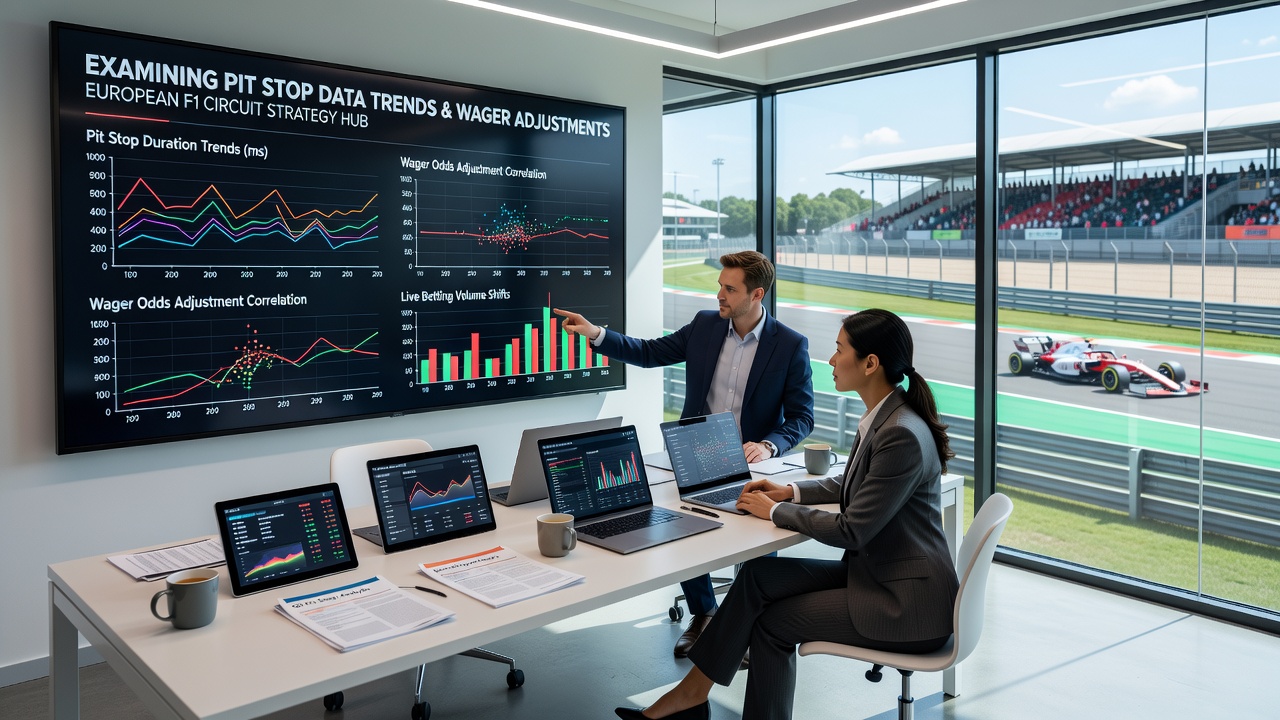
Betting operators monitor these metrics through third-party data providers that stream real-time stop durations alongside position deltas, and adjustments occur within minutes when a team executes an unusually rapid stop. European regulatory frameworks in jurisdictions such as Malta and Gibraltar require operators to maintain transparent algorithms for such revisions, ensuring that published odds reflect updated probabilities rather than arbitrary shifts. One study released by the University of Melbourne's sports analytics group examined 180 European Grand Prix events and found that pre-race favorites who posted top-quartile pit stop speeds won 12 percent more often than their baseline probability suggested.
How Bookmakers Incorporate Pit Data Into European Market Adjustments
Oddsmakers integrate pit stop statistics into both pre-race and in-play models by weighting recent team performance at specific circuits against season-long averages, and this process produces measurable line movements. For example, when Ferrari recorded a string of sub-1.95-second stops at the 2025 Spanish Grand Prix, several platforms tightened championship odds for their drivers by 15 to 20 basis points within the same session. Data feeds from the official Formula One website supply the raw timing information that feeds these models, while supplementary sources such as the European Gaming and Betting Association reports provide context on how operators must document methodology changes for compliance purposes.
Live betting volumes spike immediately after pit windows open at European races because bettors and algorithms alike react to the first visible stop times, and markets for fastest-lap or top-three finishers shift accordingly. Teams that consistently execute clean stops also influence constructor championship wagers, where points allocations depend on both drivers finishing strongly. Analysts tracking these patterns report that circuits with shorter pit lanes, such as Monaco's street layout, show smaller statistical impacts from stop times because traffic congestion overrides execution speed in many cases.
Conclusion
Pit stop data trends supply measurable inputs that European betting markets translate into wager adjustments through established statistical relationships, and continued refinement of timing technology promises even tighter integration between on-track performance and odds calibration in upcoming seasons. The interplay between crew efficiency metrics and probability recalibrations remains a core component of how Formula One events are priced across regulated European platforms.