1 Nov 2026
Shifting Sands of Desert Marathon Wagers: Tracking Hydration Data Patterns and Their Role in Altering Long-Distance Running Outcome Markets
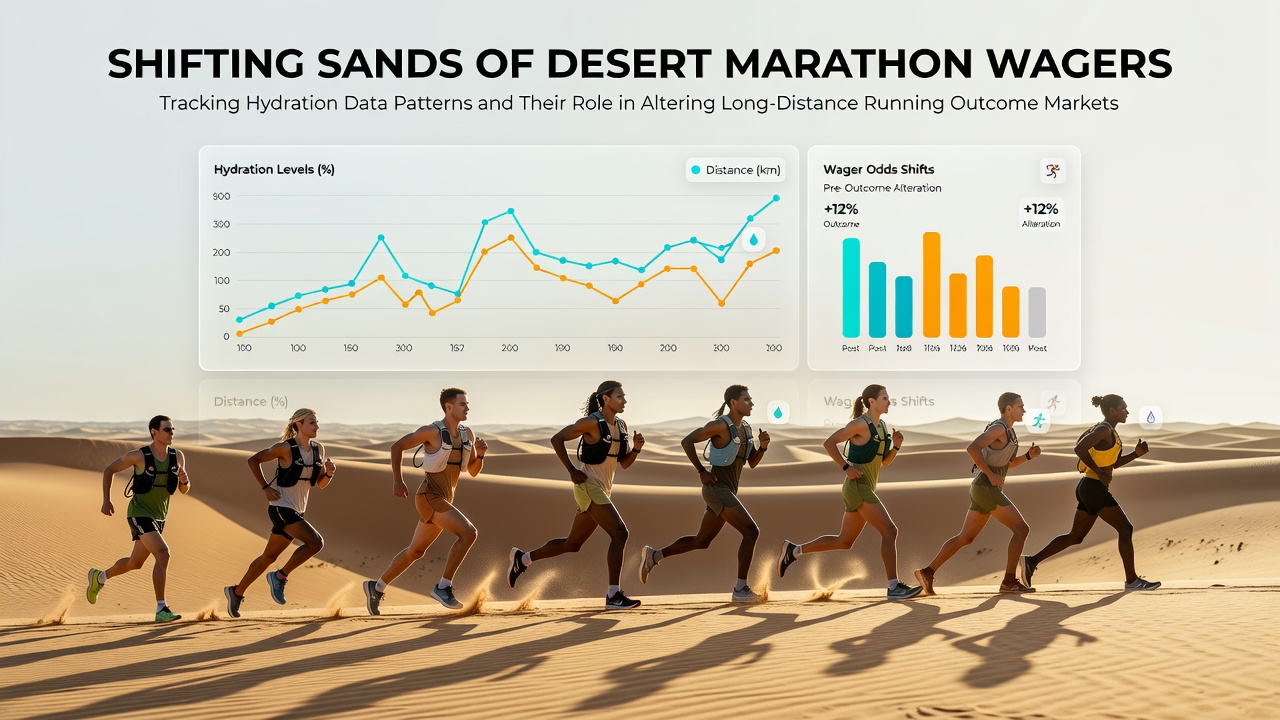
Desert marathon events present unique challenges where fluid loss rates climb rapidly under extreme heat, and analysts have documented how these physiological shifts feed directly into betting market adjustments for race outcomes. Organizers track participant hydration through wearable sensors that record sweat rates, core temperature changes, and electrolyte levels in real time, while bookmakers incorporate those streams into dynamic odds models that respond to emerging performance indicators well before finish lines appear.
Hydration Metrics and Their Direct Influence on Runner Performance
Studies conducted across multiple arid competitions show that runners who maintain consistent hydration protocols often sustain pace longer than those experiencing rapid fluid depletion, yet the relationship between individual data patterns and final placements varies according to course elevation, wind exposure, and start-time temperatures. Observers note that dehydration thresholds around three percent body mass loss correlate with measurable declines in stride efficiency, and market makers adjust probabilities accordingly when pre-race sensor uploads reveal clusters of athletes trending toward those thresholds early in the event. Data from events held in regions such as the Sahara and the Australian outback further indicates that recovery intervals between aid stations become critical variables, because prolonged exposure without adequate fluid intake accelerates fatigue accumulation and alters expected finishing orders.
Technology Integration in Data Collection for Desert Events
Wearable devices equipped with Bluetooth telemetry transmit hydration metrics to centralized dashboards during races, allowing teams of analysts to aggregate patterns across large fields and identify outliers whose physiological readings deviate from historical norms for similar conditions. Researchers have observed that these datasets grow richer each season as sensor accuracy improves, and betting platforms now integrate machine-learning filters that weigh recent hydration trends alongside traditional factors like past race times and training logs. In November 2026 several major desert ultras plan expanded sensor rollouts that will capture minute-by-minute sodium loss figures, giving market participants earlier signals about which competitors may fade in later stages when cumulative heat stress peaks.
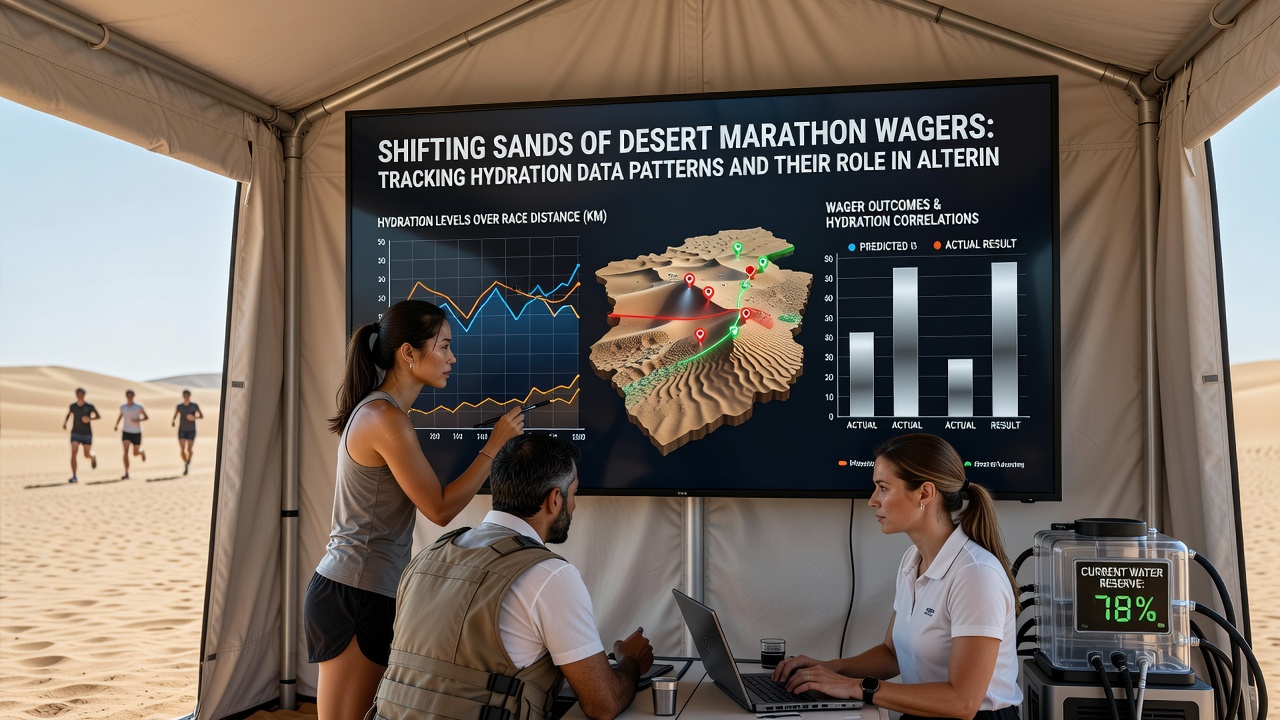
Take one research group that examined three consecutive years of data from a Moroccan multi-stage race and discovered that athletes whose morning hydration readings fell below baseline averages finished outside projected top-ten brackets more frequently than peers who stayed within optimal ranges. Those findings prompted several European wagering operators to refine their algorithms, and similar adjustments appeared in North American markets shortly afterward when comparable sensor outputs became available for review. What's interesting is how quickly the information propagates once public dashboards release anonymized aggregates, because bettors who monitor those feeds gain an edge in live markets that traditional form guides cannot match.
Market Reactions and Odds Adjustments Driven by Physiological Data
Betting exchanges have begun embedding hydration-derived variables into automated pricing engines, so that sudden spikes in reported core temperatures for leading contenders trigger immediate recalibrations of win probabilities and place payouts. Figures released by the Australian Sports Commission reveal that desert-stage events in 2025 saw intra-race odds movements reach fifteen percent in select markets once aggregated sensor data highlighted dehydration clusters among the front pack, and comparable volatility is anticipated during the expanded November 2026 schedule. Industry reports from Canadian and South African regulatory bodies further document how these shifts redistribute liquidity across outcome categories, with underdog positions gaining traction when early data indicates that favorites may struggle to hold pace through midday heat windows.
Yet the process remains iterative rather than deterministic, since individual athletes respond differently to identical fluid-loss profiles depending on acclimatization history and pacing strategies. One study from the University of the Witwatersrand in South Africa tracked a cohort of international competitors and found that prior exposure to desert conditions often mitigated the performance impact of moderate dehydration, thereby preserving original market expectations in many cases. Market participants therefore weigh sensor streams against contextual variables such as recent training camps in hot climates before committing to position changes.
Conclusion
Tracking hydration data patterns has become an established component of long-distance running outcome markets, particularly for desert events where environmental stressors amplify physiological variability. As sensor networks expand and analytical tools refine their predictive power, observers expect continued integration of these metrics into wagering frameworks across multiple continents. The November 2026 calendar will likely test the latest iterations of these systems under live conditions, providing additional datasets that researchers and market analysts alike can examine for emerging correlations between fluid-balance indicators and final results.